
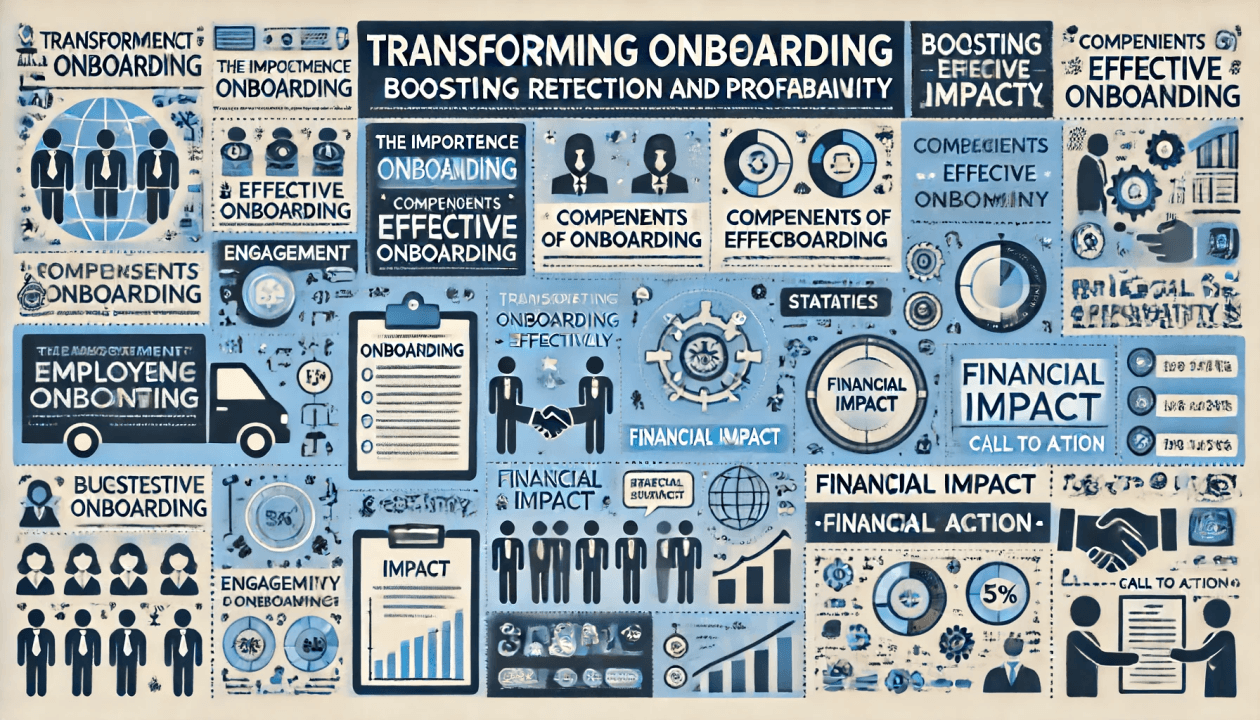
In a recent session at the Collective Cafe on Chatter, we delved into a topic that resonates deeply with every business leader: onboarding. The importance of a robust onboarding process cannot be overstated. Data from Gallup reveals a staggering statistic— only 12% of employees strongly agree their organizations do a great job of onboarding. This leaves a whopping 88% feeling that their onboarding experiences are lacking.
Why does this matter?
Gallup’s research highlights that disengaged employees cost businesses dearly. Actively disengaged employees, those who are not just unhappy but actively undermining their company, account for 16% of the workforce. They are in essence “terrorists” and that’s not really hyperbole. Another 50% are passively disengaged, sleepwalking through their workday. This means a mere 34% of employees feel engaged and connected to their company. The root of this discontent often lies in the initial days of employment.
Effective onboarding can transform these statistics. An enriched initiation experience can significantly boost new hire retention by 82%, according to Glassdoor. Moreover, highly engaged employees are 21% more productive than their disengaged counterparts. This isn’t just about making employees feel welcome; it’s about enhancing productivity, profitability, and overall business health.
Key Components of Successful Onboarding
The article we discussed today from Medium outlines a comprehensive onboarding process that spans three to six months, covering role responsibilities, tools and training, cultural assimilation, and goal alignment. It’s about designing a multi-month integration roadmap that ensures new hires are not just onboarded but fully immersed in their roles and the company culture.
Why do so many companies get it wrong?
Many organizations treat onboarding as a bureaucratic formality. Endless PowerPoints, a lack of clear roadmaps, and an overall disorganized approach lead to new hires feeling like human pinatas, as the article vividly described. Companies spend obscene amounts on recruiting talent only to squander it through inadequate onboarding.
Financial Impact
The financial implications of poor onboarding are immense. Companies can lose up to half their annual profit per employee due to ineffective onboarding practices. This loss is compounded by high turnover rates, which necessitate repeated hiring and training processes, further draining resources.
A Call to Action
We must rethink our approach to onboarding. It’s about creating an enriching initiation experience that makes new employees feel valued, engaged, and prepared to contribute from day one. This involves:
- Providing clear role definitions and success metrics.
- Offering hands-on training with tools and systems.
- Immersing new hires in company culture and values.
- Setting aligned goals and development plans.
By investing in a structured and comprehensive onboarding process, companies can not only enhance employee satisfaction and retention but also significantly boost their bottom line.
Join the Conversation
Let’s continue this dialogue. How are you transforming your onboarding process to create an enriching initiation experience for new hires? Share your thoughts and experiences.
Subscribe: bit.ly/collectivecafetogo
Follow the conversation: #CollectiveCafe #EmployeeEngagement #OnboardingSuccess #Leadership #BusinessGrowth
Top 10 / Key Takeaways:
- Staggering Statistics: Gallup data reveals only 12% of employees feel their organization does a great job with onboarding, leading to widespread disengagement.
- Enriched Initiation: An enriching initiation experience can boost new hire retention by 82%, highlighting the importance of a comprehensive onboarding process.
- Engagement Equals Productivity: Highly engaged employees are 21% more productive than their disengaged counterparts, emphasizing the need for effective onboarding.
- Financial Implications: Poor onboarding practices can result in up to half the annual profit per employee being lost, showcasing the critical financial impact.
- Comprehensive Onboarding: A successful onboarding process should span three to six months, covering roles, tools, culture, and goals to fully integrate new hires.
- Cultural Assimilation: Immersing new hires in the company culture from day one helps in building a strong, cohesive team aligned with organizational values.
- Clear Role Definitions: Providing clear responsibilities and success metrics ensures new employees understand their role and expectations from the start.
- Hands-on Training: Effective training on processes, systems, and applications is crucial for new hires to hit the ground running.
- Ongoing Support: Regular check-ins and continuous support beyond the initial onboarding phase are essential to maintain engagement and address any issues early.
- Customer Onboarding: The principles of enriched initiation apply equally to customers, enhancing their first experience with your product or service to build loyalty and satisfaction